
Identifying Quality Replicas: A Comprehensive Guide for Medieval Collectors
Home » Glossary » Collecting & Replicas Hub » Quality Assessment: The Foundation of Informed Medieval Collecting » Identifying Quality Replicas: A Comprehensive Guide for Medieval Collectors
Identifying Quality Replicas: A Comprehensive Guide for Medieval Collectors
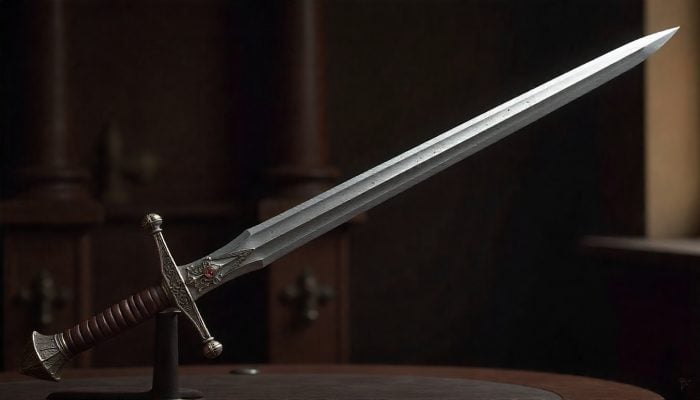
The Art of Discerning Quality in Historical Replicas
Identifying quality replicas is perhaps the most crucial skill any collector of medieval weaponry and armor can develop. Whether you’re purchasing your first decorative sword or investing in a museum-quality reproduction, understanding the hallmarks of superior craftsmanship will protect your investment and ensure your collection meets your standards for historical accuracy, aesthetic appeal, and functional integrity.
The replica market spans an enormous range of quality levels, from mass-produced decorative pieces to painstakingly crafted historical reproductions that rival original artifacts in their attention to detail. This comprehensive guide will equip you with the knowledge to distinguish exceptional replicas from inferior products, helping you make informed purchasing decisions regardless of your budget or collecting goals.
Understanding Replica Quality Tiers
Museum-Quality Replicas
Museum-quality replicas represent the pinnacle of reproduction craftsmanship. These pieces are created using historical techniques and materials whenever possible, with meticulous attention to archaeological and documentary evidence. According to the Arms & Armor Museum Standards Guidelines, museum-quality replicas should demonstrate:
- Historically accurate materials and alloy compositions
- Period-appropriate construction techniques
- Precise dimensional accuracy based on original artifacts
- Appropriate weight distribution and handling characteristics
- Surface treatments that reflect historical finishing methods
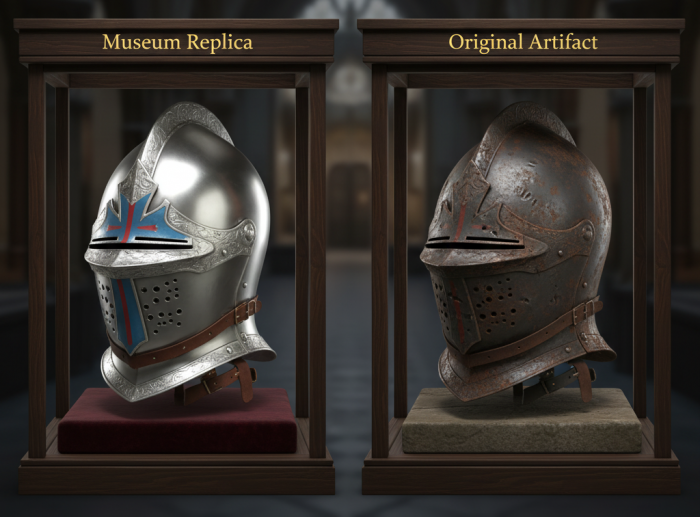
Functional Battle-Ready Replicas
Functional replicas are designed to withstand the rigors of actual use, whether for historical European martial arts (HEMA), stage combat, or cutting demonstrations. The Historical European Martial Arts Alliance emphasizes that quality functional replicas must balance historical accuracy with modern safety requirements and durability needs.
Display-Grade Replicas
Display replicas prioritize visual accuracy and aesthetic appeal over functionality. While they may not withstand combat use, high-quality display pieces can still exhibit exceptional craftsmanship in their decorative elements, proportions, and historical details.
Material Quality Indicators
Steel Composition and Properties
The quality of steel used in replica weapons is perhaps the most critical factor in determining overall quality. According to metallurgical standards outlined by the American Bladesmith Society, collectors should look for:
High Carbon Steel Content: Quality replica blades typically use steel with carbon content between 0.45% and 0.95%. The most commonly used quality steels include:
- 1060 Carbon Steel: Excellent for functional swords, offering good flexibility and edge retention
- 1095 Carbon Steel: Higher carbon content providing superior hardness and edge retention
- 5160 Spring Steel: Exceptional toughness and flexibility, ideal for functional weapons
- 9260 Silicon-Manganese Steel: Premium choice offering excellent flexibility and durability
Stainless Steel Considerations: While 420 and 440 stainless steels are common in decorative replicas, the International Association of Penologists notes that stainless steel blades over 12 inches are generally unsuitable for functional use due to brittleness concerns.
Heat Treatment and Tempering
Proper heat treatment is essential for achieving optimal blade performance. Research published in the Journal of Archaeological Science indicates that historical weapons underwent sophisticated heat treatment processes. Quality replicas should exhibit:
- Differential heat treatment (particularly for Japanese-style blades)
- Appropriate hardness ratings (typically 50-58 HRC for European swords)
- Visible temper lines or hamon on appropriate blade types
- Spring-like flexibility in sword blades when appropriate
Non-Ferrous Components
Quality indicators extend beyond the blade to include:
Guard and Pommel Materials:
- Brass, bronze, or steel construction for historical accuracy
- Proper weight distribution for authentic handling
- Secure attachment methods (peened tang, threaded pommel, etc.)
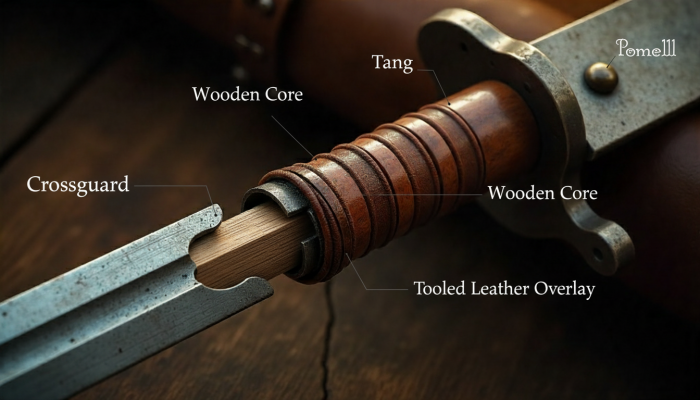
Grip Materials:
- Genuine leather wrapping over wood core
- Appropriate cord or wire wrapping patterns
- Historical accuracy in grip length and circumference
Construction Methods and Techniques
Tang Construction
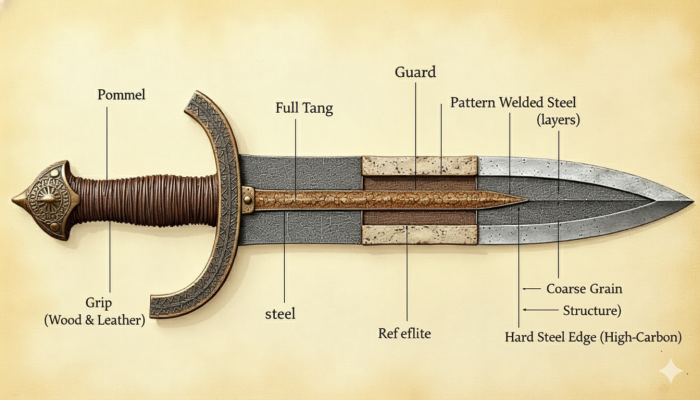
The tang—the portion of the blade extending through the handle—is critical for structural integrity. According to The Oakeshott Institute, quality replica swords should feature:
Full Tang Construction: The tang extends the entire length of the grip, providing maximum strength. This is essential for functional weapons and highly desirable in quality display pieces.
Peened Construction: Traditional method where the tang extends through the pommel and is hammered (peened) to secure all components. This method, documented in medieval manuscripts like the Royal Armouries MS I.33, provides superior structural integrity.
Threaded Tang: While less historical, quality threaded tangs with robust threads and proper pommel nuts can provide secure construction for certain replica types.
Blade Geometry and Profile
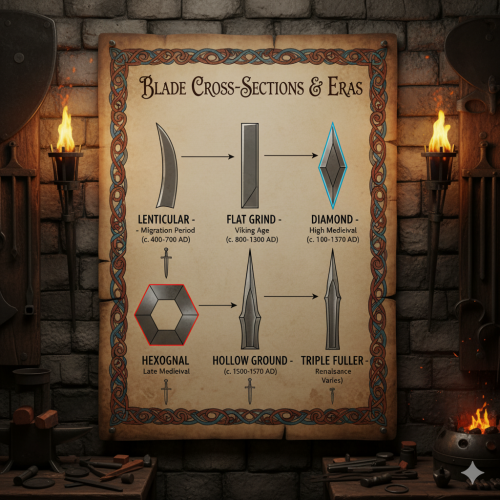
Authentic blade geometry goes beyond mere appearance. The Association for Renaissance Martial Arts emphasizes these quality indicators:
- Proper distal taper (blade thickness reduction toward the point)
- Appropriate profile taper (width reduction)
- Historical cross-sectional geometry (diamond, lenticular, hexagonal, etc.)
- Correct fuller placement and depth when present
Welding and Joint Quality
For complex pieces like articulated armor or assembled weapons, joint quality is paramount:
- Clean, strong welds without visible gaps or poor penetration
- Historical joint methods where appropriate (forge welding, riveting)
- Smooth articulation in moving parts
- Absence of sharp edges or burrs at joints
Visual and Aesthetic Qualities
Surface Finish Standards
The quality of surface finishing often distinguishes premium replicas from mass-produced items. According to conservation standards from the Victoria and Albert Museum, indicators of quality finishing include:
Polish Quality:
- Consistent surface finish appropriate to the historical period
- Absence of visible grinding marks or machine patterns
- Appropriate level of polish (mirror, satin, or deliberately rough)
- Historical finishing techniques (hand polishing, stone finishing)
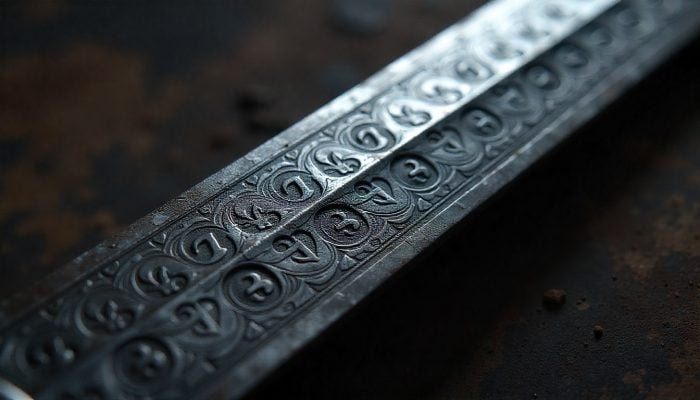
Etching and Engraving:
- Deep, precise engraving with clean edges
- Historically accurate patterns and motifs
- Appropriate use of period decoration techniques
- Chemical etching that enhances rather than weakens the blade
Attention to Historical Detail
Quality replicas demonstrate thorough research and attention to historical accuracy:
- Correct proportions based on surviving originals
- Appropriate maker’s marks or stamps
- Period-correct decorative elements
- Accurate inscriptions in appropriate scripts and languages
Functional Testing and Performance
Balance and Handling Characteristics
The Academy of European Medieval Martial Arts identifies these handling qualities in superior replicas:
Point of Balance: Quality sword replicas typically balance 3-6 inches from the guard, depending on sword type. This varies by design:
- Cutting swords: 4-6 inches from guard
- Thrusting swords: 2-4 inches from guard
- Hand-and-a-half swords: 3-5 inches from guard
Harmonic Balance: Quality blades exhibit proper harmonic nodes, creating the characteristic “ring” when struck and indicating proper heat treatment and construction.

Edge Geometry and Sharpness
For functional replicas, edge geometry is crucial:
- Appropriate edge angles for the weapon type (20-30 degrees for European swords)
- Consistent edge geometry along the blade length
- Proper edge treatment (sharp, rebated, or deliberately blunt as appropriate)
- Absence of rolled edges or chips under normal use
Red Flags: Identifying Poor Quality Replicas
Common Quality Issues to Avoid
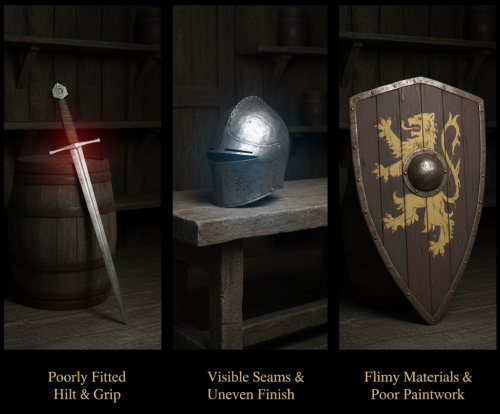
Based on collector experiences documented by the Society for Creative Anachronism, avoid replicas exhibiting:
Structural Red Flags:
- Rat-tail tangs (thin rod welded to blade)
- Spot-welded construction
- Hollow or foam-filled pommels
- Loose components or excessive blade whip
- Visible gaps between components
Material Red Flags:
- Zinc alloy (pot metal) fittings
- Painted plastic components disguised as metal
- Chrome plating over poor base metal
- Inconsistent steel quality or visible inclusions
Manufacturing Defects:
- Uneven grinds or asymmetrical blade geometry
- Poor heat treatment (excessive brittleness or softness)
- Machine marks or tool damage
- Misaligned components or crooked blades
Verification Methods and Testing
Non-Destructive Testing Methods
Collectors can employ several methods to assess replica quality without damaging the piece:
Magnet Test: Strong magnets can help identify non-ferrous materials masquerading as steel. Quality steel components should exhibit strong magnetic attraction.
Ring Test: Gently striking the blade should produce a clear, sustained ring in properly heat-treated steel. Dull thuds indicate poor heat treatment or construction.
Flex Test: For sword blades, gentle flexing should reveal spring-like properties without permanent deformation. The blade should return to true when released.
Visual Inspection: Use magnification to examine:
- Grain structure at the edge
- Quality of etching or engraving
- Consistency of finish
- Joint and weld quality
Documentation and Certification
Quality replicas often include documentation supporting their authenticity and construction:
- Certificates of authenticity from recognized smiths or workshops
- Documentation of materials used and construction methods
- Historical references or museum catalog numbers for reproductions
- Care and maintenance instructions specific to the piece
Price Points and Value Considerations
Understanding Pricing Tiers
The International Guild of Knot Tyers provides guidance on realistic pricing expectations:
Entry Level ($100-$500):
- Basic functional pieces with acceptable materials
- Simple display replicas with reasonable accuracy
- Mass-produced items from reputable manufacturers
Mid-Range ($500-$2,000):
- High-quality functional replicas
- Detailed display pieces with superior finishing
- Semi-custom work from established smiths
Premium ($2,000+):
- Museum-quality reproductions
- Custom pieces from master craftsmen
- Limited editions with exceptional provenance

Value Retention Factors
According to auction data from Christie’s Medieval Department, replicas maintaining value exhibit:
- Documented provenance and maker attribution
- Limited production runs or unique customization
- Historical significance or museum exhibition history
- Exceptional craftsmanship recognized by collecting community
Working with Reputable Sellers
Verification and Authentication
The Antiquities Dealers’ Association recommends these verification steps:
- Research seller reputation through collector forums and reviews
- Verify business registration and physical location
- Request detailed photographs of specific areas
- Confirm return policies and warranties
- Seek references from previous customers
Questions to Ask Sellers
Knowledgeable sellers should readily provide information about:
- Specific steel types and heat treatment methods
- Construction techniques and tang type
- Weight and balance specifications
- Historical sources for the reproduction
- Care and maintenance requirements
- Warranty coverage and terms
Regional Variations and Specializations
European Sword Replicas
Quality indicators specific to European medieval weapons include:
- Appropriate Oakeshott typology classification
- Correct fuller configuration for the period
- Accurate cross-guard styles and pommel types
- Period-appropriate blade flexibility
Japanese Sword Replicas
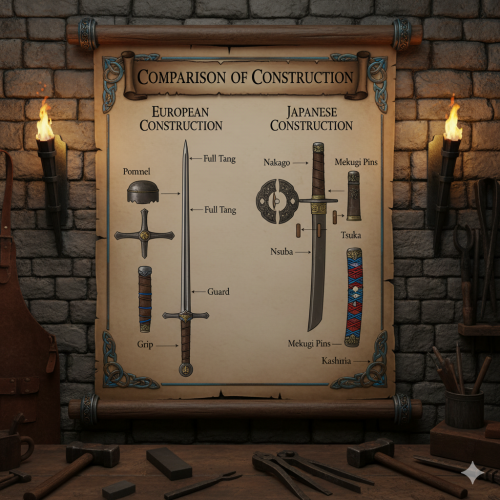
According to the Japanese Sword Society of the United States, quality katana replicas should exhibit:
- Proper differential heat treatment (hamon)
- Traditional construction methods (full tang with mekugi pins)
- Appropriate fittings (tsuba, menuki, kashira)
- Correct blade geometry and sori (curvature)
Eastern and Middle Eastern Replicas
Quality indicators for scimitars, tulwars, and other Eastern weapons:
- Authentic wootz or Damascus patterns when appropriate
- Correct blade curvature and yelman formation
- Traditional handle construction methods
- Period-appropriate decorative techniques
Maintenance and Longevity Indicators
Durability Testing
The British Museum Conservation Department suggests these longevity indicators:
- Corrosion resistance appropriate to materials
- Stability of surface treatments over time
- Resistance to normal handling wear
- Maintainability with period-appropriate methods
Care Requirements
Quality replicas should come with specific care instructions addressing:
- Appropriate cleaning methods and materials
- Recommended storage conditions
- Lubrication requirements for functional pieces
- Environmental considerations for display
Building Expertise Through Experience
Developing expertise in identifying quality replicas is an ongoing journey that combines theoretical knowledge with hands-on experience. By understanding the technical aspects of construction, materials, and historical accuracy, collectors can make informed decisions that enhance their collections while avoiding costly mistakes.
Regular engagement with the collecting community through forums, exhibitions, and collector gatherings provides invaluable opportunities to examine quality pieces firsthand and learn from experienced collectors. The Arms and Armour Society maintains an extensive network of regional chapters where collectors can share knowledge and expertise.
Remember that quality exists at every price point, and the “best” replica is one that meets your specific collecting goals, whether that’s historical accuracy, functional performance, or aesthetic appeal. By applying the principles outlined in this guide, you’ll develop the discernment to identify exceptional replicas that will provide lasting satisfaction and potentially appreciate in value over time.
Additional Resources
For further research on replica quality and authentication, collectors may find these resources valuable:
- The Wallace Collection Arms and Armour Department: Extensive documentation on historical weapons
- Royal Armouries Museum: Detailed catalogs and construction analysis
- Metropolitan Museum Arms and Armor Department: Scholarly articles on historical weaponry
- The Higgins Armory Collection: Resources on armor construction and identification
- Association of Renaissance Martial Arts: Functional testing standards and performance metrics
Last Updated: [10/03/25] Part of the Medieval Collectibles Collecting & Replicas Hub