
Quality Assessment: The Foundation of Informed Medieval Collecting
Home » Glossary » Collecting & Replicas Hub » Quality Assessment: The Foundation of Informed Medieval Collecting
Quality Assessment: The Foundation of Informed Medieval Collecting
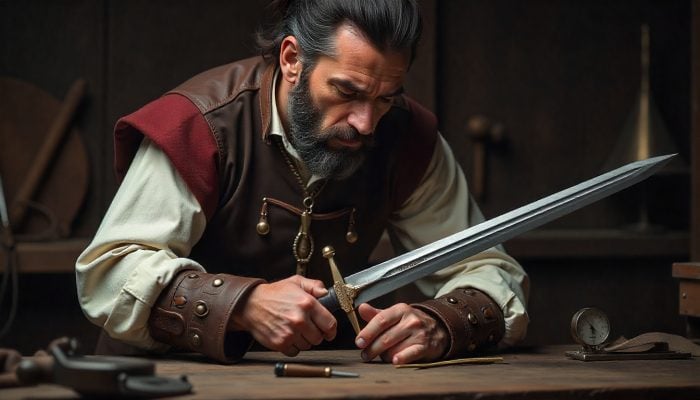
Why Quality Assessment Matters
Quality assessment forms the cornerstone of successful medieval replica collecting, whether you’re acquiring your first decorative piece or building a museum-worthy collection. The ability to evaluate craftsmanship, materials, and construction methods protects collectors from costly mistakes while ensuring each acquisition meets intended purposes—be it display, functional use, or historical study.
The medieval replica market encompasses an extraordinary range of quality levels, from mass-produced decorative items to masterfully crafted reproductions that rival historical originals. According to the International Council of Museums Committee for Conservation, the global market for historical replicas has grown over 300% in the past decade, making quality assessment skills more crucial than ever for discerning collectors.
This comprehensive hub serves as your gateway to mastering the art and science of replica evaluation. From understanding metallurgy and construction techniques to recognizing subtle indicators of superior craftsmanship, the resources in this section will transform you from casual buyer to informed connoisseur.
The Evolution of Replica Quality Standards
Historical Context and Modern Standards
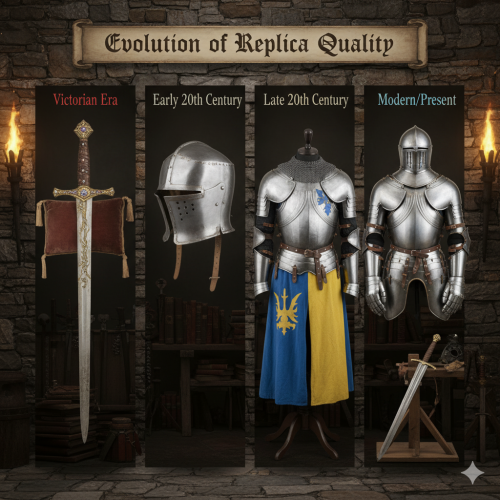
The production of replica medieval arms and armor has evolved dramatically since the Victorian era’s romantic revival of medieval aesthetics. Early reproductions, as documented by the Victoria and Albert Museum, often prioritized theatrical appearance over historical accuracy or functional integrity. Today’s collectors benefit from unprecedented access to archaeological research, metallurgical science, and traditional crafting techniques.
Modern quality standards have been shaped by several influential factors:
Academic Research: Universities and museums worldwide have conducted extensive materials analysis on original artifacts, providing blueprints for accurate reproduction. The Royal Armouries has published detailed metallurgical studies that inform contemporary replica production.
Martial Arts Revival: The growth of Historical European Martial Arts (HEMA) has driven demand for functional replicas that match historical handling characteristics. The HEMA Alliance International has established performance standards that influence quality benchmarks across the industry.
Conservation Science: Advanced analytical techniques, including X-ray fluorescence and neutron imaging, have revealed construction secrets of historical pieces, enabling more accurate reproductions.
Contemporary Quality Paradigms
Today’s replica market operates within several distinct quality paradigms, each serving different collector needs:
Investment-Grade Replicas: These pieces meet stringent standards for materials, construction, and historical accuracy, often retaining or appreciating in value. According to Christie’s Auction House, high-quality replicas from recognized makers have shown average annual appreciation of 5-8% over the past two decades.
Functional Performance Replicas: Designed for active use in martial arts, reenactment, or demonstration, these pieces balance historical accuracy with modern safety requirements and durability needs.
Museum and Educational Replicas: Created for institutional display and handling, these reproductions prioritize historical accuracy and educational value while meeting conservation standards for long-term stability.
Core Principles of Quality Assessment
The Materials Science Foundation
Understanding materials science is fundamental to quality assessment. The American Society for Metals International emphasizes that material selection and treatment determine approximately 70% of a replica’s quality characteristics.
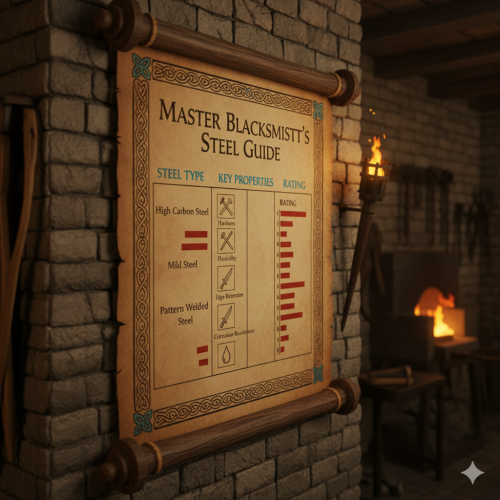
Metallurgical Considerations: Steel quality varies dramatically based on carbon content, alloying elements, and heat treatment. Premium replicas utilize appropriate steel grades for their intended purpose—high carbon steels for cutting implements, spring steels for flexible weapons, and carefully selected alloys for armor components.
Non-Ferrous Materials: Guards, pommels, and decorative elements require appropriate materials. Historical accuracy demands brass, bronze, or silver rather than modern zinc alloys. The Copper Development Association provides extensive documentation on historical copper alloys used in medieval metalwork.
Construction Methodology Analysis
Construction methods separate artisan-crafted pieces from mass-produced items. The Worshipful Company of Blacksmiths identifies these key differentiators:
Traditional Techniques: Hand forging, proper heat treatment, and traditional joining methods indicate superior quality. These time-intensive processes justify higher prices but deliver authentic handling characteristics and longevity.
Modern Manufacturing: While CNC machining and modern welding can produce consistent results, the best manufacturers combine modern precision with traditional finishing techniques.
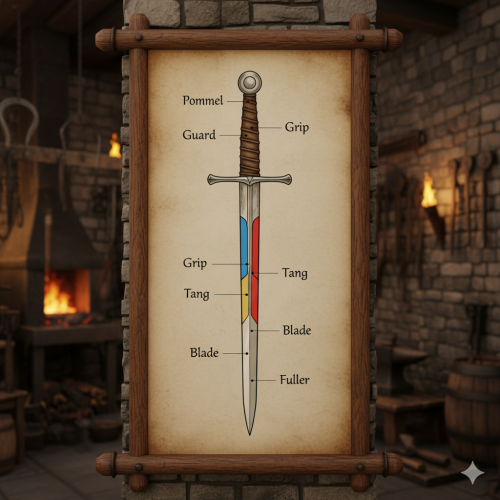
Assembly and Integration: How components connect reveals much about overall quality. Properly peened tangs, precisely fitted guards, and secure pommel attachment indicate attention to structural integrity.
Visual and Tactile Evaluation
Beyond technical specifications, quality assessment involves sensory evaluation skills developed through experience:
Surface Analysis: Finish quality reveals manufacturing care. Hand-polished surfaces display subtle variations that distinguish them from machine finishing. Period-appropriate textures—from mirror polish to deliberately rough forging marks—indicate historical understanding.
Weight and Balance: Proper weight distribution defines a replica’s authenticity and functionality. The Oakeshott Institute has documented precise balance points for various medieval weapon types, providing benchmarks for assessment.
Harmonic Properties: Quality steel exhibits specific acoustic properties when struck. Clear, sustained ringing indicates proper heat treatment and absence of structural flaws.
Critical Assessment Categories
Structural Integrity Evaluation
Structural integrity underlies all other quality considerations. According to the Society for Creative Anachronism‘s equipment standards, structural assessment should examine:
- Tang Construction: Full tang designs provide maximum strength, while properly executed hidden tangs can be acceptable for specific historical types
- Joint Security: All connections should be mechanically sound without relying solely on adhesives
- Stress Point Reinforcement: Critical areas like blade-to-hilt transitions require appropriate material thickness and proper heat treatment
- Component Integration: Individual parts should fit precisely without gaps, movement, or misalignment
Historical Accuracy Standards
Historical accuracy encompasses both broad typological correctness and specific detail fidelity. The Medieval Academy of America distinguishes several accuracy levels:
Typological Accuracy: Overall form follows documented historical examples, with proportions matching archaeological specimens or period artwork.
Technical Accuracy: Construction methods, materials, and assembly techniques reflect historical practices or acceptable modern substitutes for safety.
Decorative Accuracy: Ornamental elements, inscriptions, and surface treatments appropriate to the piece’s purported origin and period.
Contextual Accuracy: The replica represents something that historically existed, not fantasy combinations of disparate elements.
Functional Performance Metrics
For replicas intended for use, performance assessment becomes crucial. The Academy of European Medieval Martial Arts has established evaluation criteria including:
- Dynamic Balance: How the piece moves and responds during manipulation
- Edge Geometry: Appropriate cutting angles and edge retention capability
- Flexibility Parameters: Proper spring characteristics without permanent deformation
- Impact Resistance: Ability to withstand intended use without damage
Value Determination Frameworks
Investment Potential Analysis
The Antique Arms and Armour Dealers Association identifies factors influencing replica investment value:
Maker Reputation: Established craftsmen and workshops command premium prices and better value retention. Documentation of the maker’s training, exhibition history, and professional recognition adds value.
Production Limitations: Limited editions, custom commissions, and discontinued models often appreciate over time. Serial numbers, certificates of authenticity, and production documentation enhance collectibility.
Historical Significance: Replicas of particularly important historical pieces, especially those based on direct museum access, carry premium value.

Cost-Benefit Analysis
Understanding price-to-quality relationships helps collectors maximize their investments:
Entry-Level Quality Indicators ($100-$500):
- Acceptable materials without premium alloys
- Basic functionality or display adequacy
- Machine production with hand finishing
- Standard catalog offerings from established manufacturers
Mid-Range Excellence ($500-$2,000):
- Superior materials and heat treatment
- Combination of machine and hand work
- Semi-custom options and specifications
- Enhanced historical accuracy and detail
Premium Artisan Level ($2,000+):
- Museum-quality materials and construction
- Predominantly hand-crafted production
- Custom specifications and personalization
- Direct collaboration with master craftsmen
Professional Authentication Resources
Expert Evaluation Services
Several organizations provide professional authentication and evaluation services:
The International Association of Appraisers maintains specialists in historical arms and armor who can provide formal valuations for insurance or sale purposes.
The Conservation Center for Art & Historic Artifacts offers technical analysis services including metallurgical testing and age verification for questionable pieces.
Museum conservation departments often provide consultation services for significant pieces, offering both authentication and preservation guidance.
Documentation and Provenance
Quality replicas should include comprehensive documentation:
- Certificates of Authenticity: Detailing materials, construction methods, and maker information
- Historical Documentation: References to source artifacts or scholarly publications
- Technical Specifications: Precise measurements, weights, and material compositions
- Care Instructions: Specific maintenance requirements for long-term preservation

Advanced Assessment Techniques
Scientific Analysis Methods
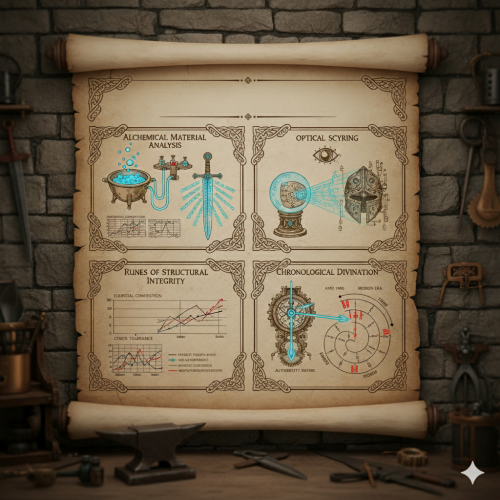
While not always necessary, scientific analysis can provide definitive quality verification:
X-Ray Fluorescence (XRF): Non-destructive elemental analysis confirms metal composition without damaging the piece. Many museums and universities offer XRF services.
Rockwell Hardness Testing: Determines heat treatment quality, though this requires specialized equipment and potentially leaves small marks.
Microscopic Examination: Reveals construction details, authentic wear patterns, and quality of decorative work. Digital microscopes now make this accessible to serious collectors.
Comparative Analysis
The Arms and Armour Society recommends developing assessment skills through comparative study:
- Museum Visits: Examining authenticated historical pieces provides benchmarks for quality assessment
- Collector Gatherings: Handling various quality levels develops tactile discrimination
- Documentation Study: Published analyses of historical pieces inform quality expectations
Common Assessment Pitfalls
Avoiding Confirmation Bias
Collectors must guard against several psychological traps that compromise objective assessment:
Brand Loyalty Blindness: Even reputable makers produce varying quality levels. Each piece requires individual assessment regardless of maker reputation.
Price-Quality Assumptions: Higher prices don’t automatically indicate superior quality, nor do bargain prices always mean inferior craftsmanship.
Aesthetic Preference Confusion: Personal taste in finish or style shouldn’t override objective quality assessment.
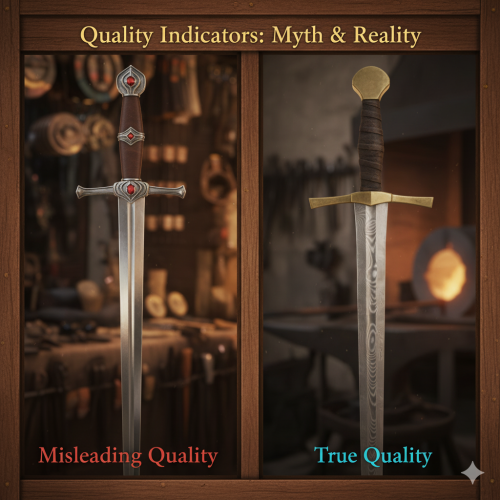
Misunderstood Quality Indicators
According to the International Council of Museums, collectors commonly misinterpret these factors:
- Weight Misconceptions: Heavier doesn’t always mean better; proper weight distribution matters more than absolute mass
- Sharpness Fixation: Edge sharpness is less important than edge geometry and heat treatment
- Decoration Emphasis: Elaborate decoration may mask poor underlying construction
- Age Assumptions: Older replicas aren’t necessarily better; modern techniques often surpass historical reproductions
Building Assessment Expertise
Systematic Learning Approaches
Developing assessment expertise requires structured learning:
Progressive Complexity: Begin with simple assessments (materials identification) before advancing to complex evaluations (historical accuracy verification).
Multi-Sensory Training: Combine visual inspection, handling, and acoustic testing to develop comprehensive assessment skills.
Documentation Practice: Maintain detailed notes on examined pieces, building a personal reference database.
Community Resources and Mentorship
The collecting community offers invaluable learning opportunities:
Online Forums and Communities: Platforms like MyArmoury.com and SBG Sword Forum provide peer review and expert guidance.
Regional Collector Groups: Local chapters of arms and armor societies offer hands-on learning opportunities.
Workshop Visits: Many craftsmen welcome serious collectors to observe production processes, providing insights into quality indicators.
Future Trends in Quality Assessment
Technological Advances
Emerging technologies are revolutionizing quality assessment:
3D Scanning and Modeling: Digital comparison with museum pieces enables precise accuracy verification.
Blockchain Authentication: Digital certificates and provenance tracking prevent counterfeiting and document ownership history.
AI-Assisted Analysis: Machine learning algorithms can identify subtle quality indicators and authenticate maker characteristics.
Evolving Standards
The International Committee for Museums and Collections of Arms and Military History predicts several trends affecting quality standards:
- Increased emphasis on sustainable and ethically sourced materials
- Growing demand for reversible modification capabilities
- Integration of modern safety features without compromising historical appearance
- Enhanced documentation requirements for international trade
Mastering the Art of Quality Assessment
Quality assessment represents both an art and a science, combining technical knowledge with experiential wisdom. By understanding materials science, construction methods, historical accuracy, and value frameworks, collectors can confidently evaluate replicas across all quality levels and price points.
The journey from novice to expert assessor requires patience, study, and hands-on experience. Each piece examined adds to your knowledge base, refining your ability to distinguish exceptional craftsmanship from mediocre production. Whether your interests lie in functional weapons, decorative armor, or museum-quality reproductions, mastering quality assessment ensures your collection reflects your standards and investment goals.
This Quality Assessment hub provides your foundation for deeper exploration. The specialized sections that follow delve into specific aspects of evaluation, from steel quality indicators to pricing comparisons. Together, these resources equip you with comprehensive assessment capabilities, transforming you from casual buyer to discriminating collector.
Remember that quality exists along a spectrum, and the “right” quality level depends on your specific needs, budget, and collecting goals. A well-assessed entry-level piece that serves its intended purpose represents better value than a poorly evaluated premium replica that disappoints. By applying systematic assessment principles, you’ll build a collection that provides lasting satisfaction and potential appreciation.
Navigation Guide to Quality Assessment Resources
Explore our comprehensive quality assessment sections:
- [Identifying Quality Replicas]: Master the fundamental skills of replica evaluation
- [Steel Quality Indicators]: Understand metallurgy and material specifications
- [Construction Methods to Look For]: Recognize superior craftsmanship techniques
- [Weight and Balance Considerations]: Evaluate handling characteristics and authenticity
- [Finish and Detailing Standards]: Assess surface treatments and decorative elements
- [Comparing Price Points]: Understand value propositions across quality tiers
- [Red Flags in Poor Quality Replicas]: Identify warning signs and avoid costly mistakes
Part of the Medieval Collectibles Collecting & Replicas Hub Return to [Collecting & Replicas Hub] | [Medieval Collectibles Home]