
Getting Started with Historical and Fantasy Replica Collecting
Home » Glossary » Collecting & Replicas Hub » Getting Started with Historical and Fantasy Replica Collecting
Getting Started with Historical and Fantasy Replica Collecting
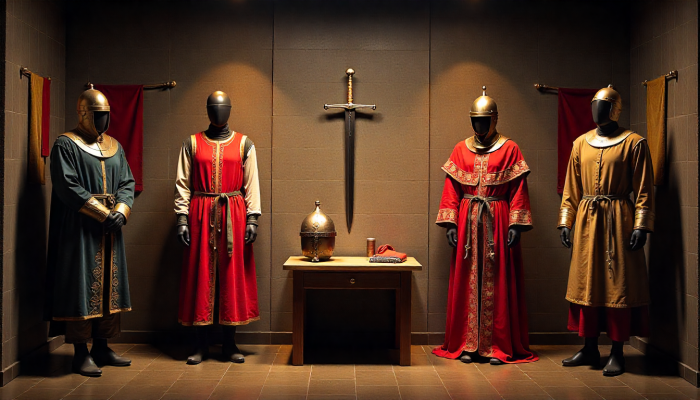
Welcome to the fascinating world of historical and fantasy replica collecting! Whether you’re drawn to the gleaming steel of medieval weapons, the protective elegance of armor, the rich fabrics of period clothing, or the intricate details of historical accessories, this comprehensive guide will help you begin your collecting journey with confidence and knowledge.
Why Collect Historical and Fantasy Replicas?
Collecting historical replicas connects us to the past in uniquely tangible ways. Antique weapons have been highly collectible for centuries and only major economic downturns have much negative impact on prices. But the appeal extends far beyond weapons to encompass the entire material culture of historical periods.
The Many Faces of Collecting
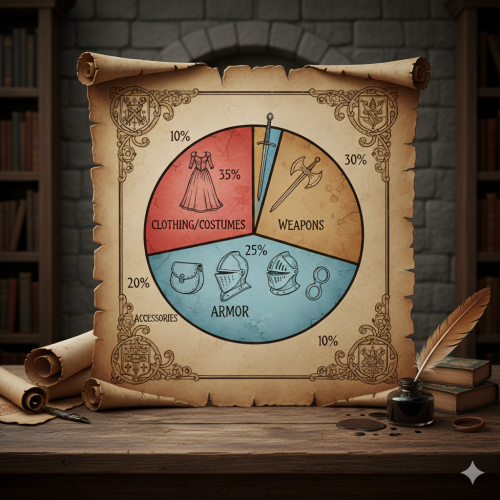
- Weapons: Swords are weapons that have influenced countless historical battles and played a large role in shaping the world we know today
- Armor: For many, it’s a way to explore a passion for history, craftsmanship, and culture
- Clothing: Medieval Collectibles offers medieval and Renaissance clothing for peasants, perfect for Renaissance fairs and festivals
- Accessories: From leather belts to jewelry, each piece tells a story
Understanding Your Options
The Spectrum of Collectibles
The world of historical replicas encompasses far more than just swords:
Weapons Collection
- Swords (longswords, rapiers, katanas, fantasy blades)
- Daggers and knives
- Axes, maces, and polearms
- Shields and defensive weapons
- Ranged weapons (crossbows, bows)
Armor Collection
- Helmets are often the centrepiece of any armour collection. From the classic Great Helm of the 13th century to the later Sallet or Bascinet
- Gauntlets and smaller protective pieces
- Full suits or individual components
- Chain mail and leather armor
Clothing and Garments
- The main classes were: the noble class (those holding a title, either hereditary or honorary), the middle class (merchants, lawyers, other “professionals”), and the peasant class
- Renaissance dresses and gowns
- Medieval tunics and surcoats
- Cloaks, robes, and outerwear
- Period-appropriate undergarments
Accessories and Details
- Leather belts and baldrics
- Pouches and bags
- Jewelry and crowns
- Boots and period footwear

Your First Steps
1. Discover Your Passion
Before making any purchases, explore what truly captivates you:
Ask Yourself:
- What do I need the armor for? For LARP events? Reenactment? Or as an exhibit?
- Are you drawn to historical accuracy or fantasy interpretations?
- Do you want functional pieces or display items?
- Which time period or culture fascinates you most?
Consider Your Goals:
- Display Collecting: Focus on visual impact and historical interest
- Living History: Prioritize authenticity and period-correct details
- LARP/Cosplay: Balance between appearance and functionality
- Investment: Research limited editions and appreciation potential
2. Set a Realistic Budget
High-quality armor has its price. As a beginner, however, you should not invest too much. Start with individual, versatile pieces and gradually expand your equipment
Budget Categories by Collection Type:
Weapons ($50-$2,000+)
- Entry level decorative: $50-$200
- Functional replicas: $200-$800
- Museum quality: $800+
Armor ($100-$5,000+)
- Individual pieces: $100-$500
- A good gambeson and solid chain mail often form the basis for further additions
- Full suits: $1,000-$5,000+
Clothing ($50-$1,000+)
- Basic garments: $50-$200
- We have medieval and renaissance dresses, gowns, shirts and hats that come in a variety of styles, shapes, sizes and colors
- Custom or noble attire: $300-$1,000+
Accessories ($20-$300+)
- Simple items: $20-$100
- Elaborate pieces: $100-$300+

3. Research Before You Buy
Knowledge is your best defense against poor purchases:
Educational Resources
- Reading quality articles on swords, shields, and armor is a great place to start; however, it’s important to find a reliable source
- Museum collections and exhibitions
- Historical reenactment groups
- Online forums and communities
- Books on historical arms and costume
What to Look For
- Material quality (steel types for weapons, fabric authenticity for clothing)
- Construction methods (full tang vs. rat tail for swords)
- Historical accuracy vs. fantasy interpretation
- Manufacturer reputation and reviews
4. Choose Your Starting Point
For most beginners, it’s best to start small and gradually build your collection over time
Recommended First Purchases by Interest:
For Weapon Enthusiasts
- A quality display sword in your favorite style
- Proper maintenance supplies
- Display stand or wall mount
For Armor Collectors
- Smaller pieces like gauntlets or bucklers are great entry-level items. They’re affordable, easy to store, and add variety to your setup
- A historically accurate helmet
- Display mannequin or stand
For Costume Builders
- He would be carrying on or about his person objects pertaining to his profession, whatever it might be
- Basic period-appropriate clothing
- One statement piece (cloak, corset, or tunic)
- Essential accessories (belt, pouch)
Common Collecting Paths
The Historical Purist
Focuses on accurate reproductions with documented historical precedent. Attends museums, reads academic sources, and often participates in living history events.
The Fantasy Enthusiast
Fantasy replica swords come from stories in movies, TV shows, and video games. Collects pieces from beloved franchises and imaginative interpretations.
The Event Participant
Renaissance Faires have expanded their horizons, embracing a variety of themes. Builds functional wardrobes for fairs, LARP events, and reenactments.
The Home Curator
Creates museum-like displays, focusing on presentation and preservation. Often combines weapons, armor, and period artifacts.

Building Your Knowledge
Join the Community
The collecting community offers invaluable resources:
Online Communities
- Specialized forums for each collecting area
- Social media groups and pages
- YouTube channels and educational content
- Virtual museum tours and lectures
In-Person Opportunities
- Visit dealers and collectors’ fairs, handle swords regularly and visit an auction house
- Renaissance fairs and medieval markets
- Historical reenactment events
- Museum exhibitions and workshops
Develop Your Expertise
Focus on one specialist area or period and learn everything possible to gain expertise
Study Areas:
- Historical context and evolution
- Manufacturing techniques and materials
- Regional variations and cultural differences
- Market values and investment potential
Practical Considerations
Legal Requirements
Research local laws before collecting:
- Weapon ownership and display regulations
- Transportation restrictions
- Check the website for the scoop! on event-specific rules
- Import/export considerations for international purchases
Storage and Display
Proper storage protects your investment:
- Climate-controlled environments
- Appropriate display stands and cases
- Shields, especially those with crests or hand-painted designs, make eye-catching wall displays
- Security considerations for valuable pieces
Maintenance and Care
Each type of collectible requires specific care:
- Weapons: Regular oiling and rust prevention
- Armor: Proper support and humidity control
- Clothing: Appropriate cleaning and storage methods
- Leather goods: Conditioning and protection

Your Journey Starts Here
The world of historical and fantasy collecting offers endless possibilities for exploration, learning, and enjoyment. Whether you’re drawn to the martial prowess of medieval knights, the elegance of Renaissance nobility, or the imaginative realms of fantasy, your collection will become a personal expression of your interests and passions.
Ready to begin? Explore our detailed guides:
- Introduction to Collecting Historical Replicas – The history and culture of collecting
- Functional vs. Decorative Replicas – Understanding quality and purpose
- Setting a Collection Focus – Developing your collecting strategy
- Budgeting for Your Collection – Financial planning for collectors
- First Purchase Guidelines – Step-by-step buying guide
- Common Beginner Mistakes – Learn from others’ experiences

Remember: The joy of collecting comes not just from the objects themselves, but from the knowledge gained, the skills developed, and the community connections made along the way. Start small, learn constantly, and let your passion guide you toward building a collection that tells your unique story.
